
This post is sponsored by Klifex.
A steering rack is a device used for converting steering wheel motion into lateral wheel motion. The condition of a steering rack is a key factor that affects vehicle handling and safety. Seals, bushings, bearings, and internal parts affect accuracy and causes play, as well as possible loss of fluids. The repair kit for steering rack replaces worn parts only, thus providing a repair solution instead of replacing the steering assembly.
How a Steering Rack Works
Steering input turns the pinion gear. The pinion translates the rack horizontally. Tie rods link the rack to the wheels. Hydraulic systems rely on fluid pressure to aid movement; electric systems rely on sensors and motors. Correct functioning demands properly aligned parts, undamaged seals, and smooth linear movement. Misalignment generates variable resistance, steering looseness, or fluid leakage.
Racks work under pressure and mechanical stress. Bushings support the shaft, bearings facilitate smooth movement, and seals retain fluid purity. Parts deteriorate due to friction, contamination, and pressure changes. Regular maintenance preserves tolerances and prevents rapid degradation of pumps, valves, and steering components.
Common Steering Rack Problems
Steering racks fail due to component wear, seal degradation, or internal friction. Early identification of specific symptoms allows targeted repair and prevents further damage.
Fluid leaks from damaged seals or worn housing.
Loose steering from worn bushings, bearings, or tie rods.
Uneven resistance due to friction, binding, or internal corrosion.
Additional symptoms include unusual rotation noises and vibrations, indicating steering issues that require attention. The first problem, which needs an immediate solution, will result in suspension system damage to all suspension and steering parts. Leaks can cause increased pump workload, raising fluid temperature and accelerating wear.
What a Steering Rack Repair Kit Contains
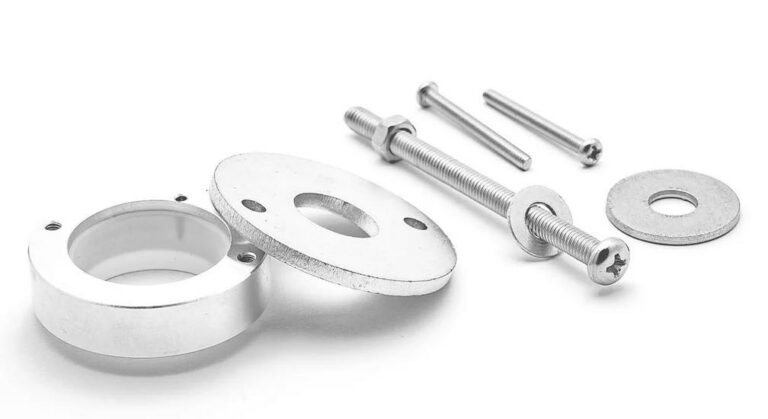
A repair kit includes components necessary for rebuilding the rack: seals, O-rings, bushings, bearings, and internal mechanical parts.
Seals prevent fluid leaks. Bushings and bearings maintain alignment and reduce play. Internal mechanical parts restore linear motion and pressure transfer. Kits may include dust boots, mounting hardware, and fittings. The pre-selected components of the system enable users to complete their rebuild process because all necessary parts are already available.
The kits help to decrease assembly mistakes while they bring back hydraulic system function, and they make racks last longer. Proper use guarantees restored system tolerances and steering precision.
Steering Rack Repair Overview
Repair involves a structured process:
Remove the steering rack from the vehicle. Disconnect tie rods, hydraulic lines, and mounting brackets.
Disassemble the housing, noting the orientation of all internal components.
Clean all surfaces to remove debris, corrosion, and old lubricant.
Install new seals, bushings, bearings, and internal parts from the repair kit. Ensure correct placement.
Reassemble the housing and reinstall external components.
Reconnect hydraulic lines, refill fluid, and bleed air.
Test rack operation for smooth motion, correct alignment, and leak-free performance.
Accuracy assembly restores tolerances, alignment, and hydraulic function. Incorrect assembly leads to leaks, play, or uneven resistance.
Repair vs. Replacement Considerations
Repair is a cost-effective option when no structural damage is present. The kits also replace worn-out parts without affecting the parts that are still in good condition. Complete replacement is necessary when there are existing cracks, severe cases of corrosion, and previous failed repairs. The kits are effective since they retain original mounting points and tolerances. The rebuilt steering racks also perform as originally intended, thus preserving original handling characteristics. The kits also save time and money on inventory costs. Torque, alignment, and calibration are necessary for functional reliability.
Steering racks serve an essential function by controlling how a vehicle will move. When a steering rack fails, it will cause two problems because it will disrupt vehicle handling and create dangerous situations. A worn-out steering rack shows three distinct signs, which include leaks, play, and uneven resistance. The repair kit for a steering rack contains seals, bushings, bearings, and internal parts necessary for a steering rack’s repair. The steering rack’s repair requires disassembly, replacement of parts, and reassembly. The kits save time and reduce repair and inventory costs.
This post is sponsored by Klifex.