
This post is sponsored by Seal Skin Covers.
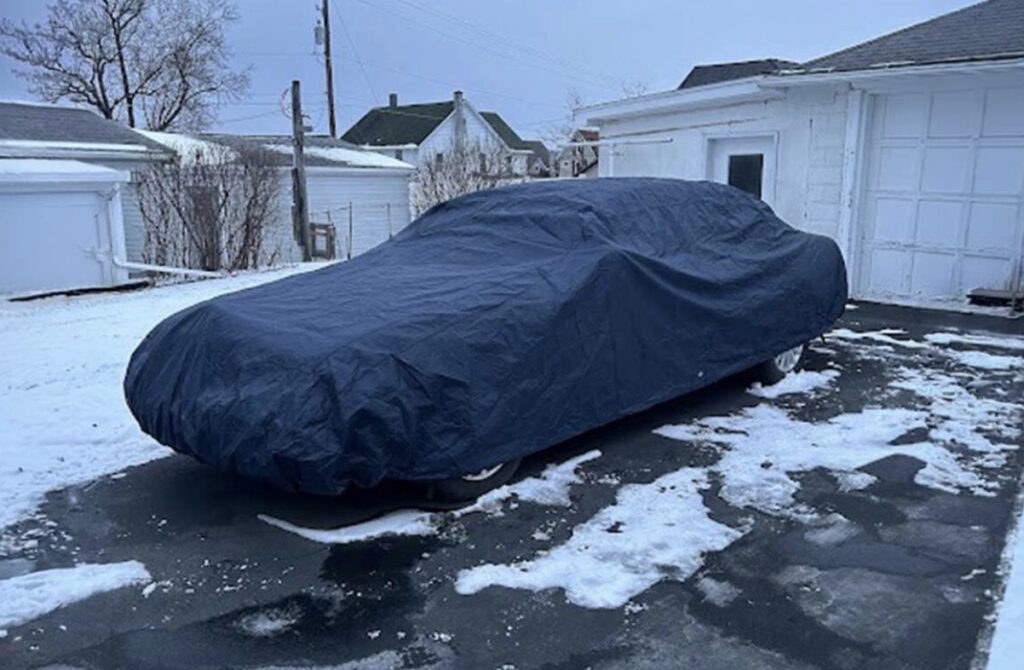
Not everyone has access to a garage. Whether you park in a driveway, apartment lot, on the street, or beside your home, leaving a vehicle outdoors year-round exposes it to sunlight, rain, snow, wind, dirt, bird droppings, tree sap, pollen, and temperature extremes.
The good news is that a car does not need to be garaged to stay in excellent condition. A combination of regular cleaning, paint protection, smart parking, interior protection, routine maintenance, and a quality outdoor car cover can significantly reduce the effects of long-term outdoor exposure.
How Do You Protect a Car That’s Always Parked Outside?
The best way to protect a car parked outside year-round is to use multiple layers of protection: keep the vehicle clean, protect the paint with wax or another appropriate finish protectant, remove contaminants quickly, minimize direct sun exposure, maintain the battery and tires, and use a properly fitted outdoor car cover when practical.
No single step protects a vehicle from every outdoor hazard. The most effective strategy addresses both the vehicle’s exterior surfaces and the mechanical components affected by changing weather.
What Can Damage a Car Parked Outside?
A vehicle stored outdoors is continuously exposed to environmental conditions that a garaged vehicle encounters less frequently.
Common outdoor hazards include:
- UV exposure and heat: Prolonged sunlight can contribute to deterioration of paint, exterior trim, weather seals, upholstery, and interior materials.
- Rain and moisture: Water can leave mineral deposits and water spots and may contribute to corrosion where protective coatings have already been compromised.
- Bird droppings and insects: Contaminants left on the finish can become increasingly difficult to remove.
- Tree sap and pollen: Parking beneath a tree provides shade, but can expose the vehicle to sap, leaves, pollen, twigs, and birds.
- Snow and ice: Winter weather adds moisture and freeze-thaw cycles, while road salt can accelerate corrosion.
- Windblown debris: Dust, sand, leaves, and small branches can dirty or potentially scratch exterior surfaces.
- Temperature extremes: Heat and cold can affect tire pressure, batteries, wiper blades, rubber components, and other vehicle systems.
Because these risks occur repeatedly, outdoor vehicle protection is less about responding to a single storm and more about reducing cumulative exposure throughout the year.
1. Choose Your Parking Location Carefully
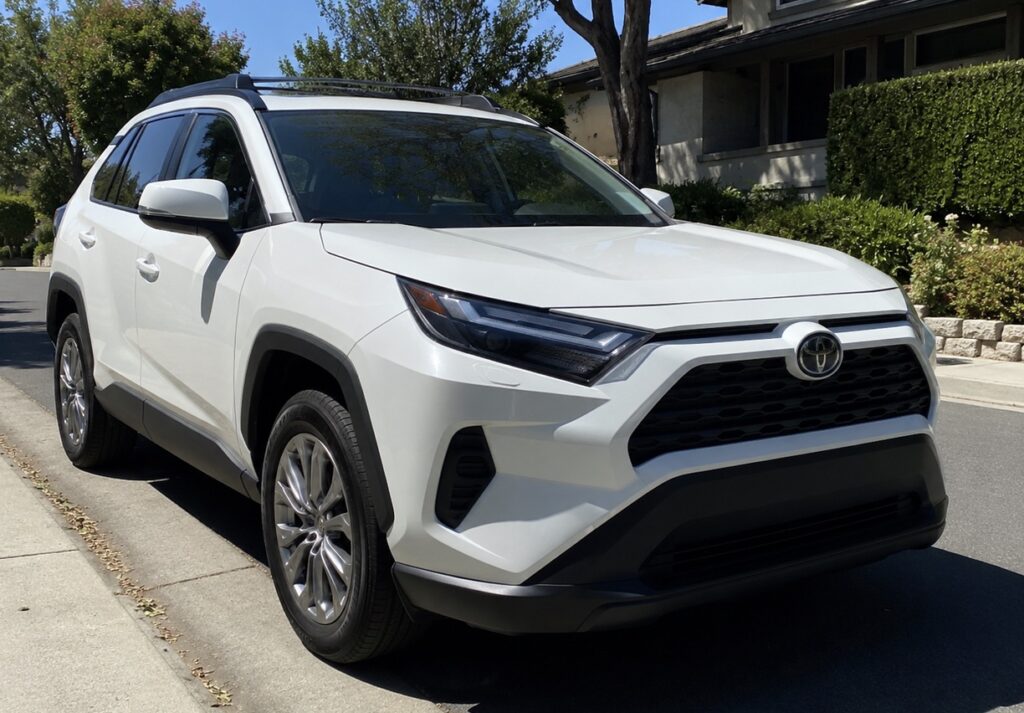
When possible, start with the simplest solution: improve where you park.
Shade can reduce direct solar exposure and help keep the passenger compartment cooler. However, parking directly beneath trees has tradeoffs. Tree sap, pollen, leaves, bird droppings, and falling branches may create additional problems.
A covered carport is generally preferable to either an exposed parking space or parking directly under a tree because it provides overhead protection while maintaining airflow around the vehicle.
When choosing an outdoor parking location:
- Look for shade that does not come directly from overhanging branches.
- Avoid areas where sprinklers repeatedly spray the vehicle.
- Avoid low-lying areas where water collects after storms.
- Consider the direction of prevailing wind if your property is regularly exposed to blowing dust or debris.
2. Wash the Vehicle Regularly
Regular washing is one of the most important parts of protecting a car that stays outdoors.
Dirt itself is not always the main problem. The bigger concern is allowing environmental contaminants to remain on the finish for extended periods.
Use a properly formulated car-wash soap and a wax or paint protectant that is appropriate for the vehicle’s finish. Regular exterior cleaning, waxing, and detailing can help protect the paint from long-term environmental exposure.
How frequently you need to wash depends on the environment. A vehicle parked near trees, the ocean, construction activity, dusty roads, or areas that use road salt may require more frequent attention than a vehicle parked in a mild, dry environment.
The more useful rule is this:
Wash the vehicle when contamination is accumulating rather than relying strictly on a calendar.
3. Remove Bird Droppings, Sap, Bugs, and Other Contaminants Quickly
A complete car wash may not be necessary every time something lands on the vehicle.
However, visible contaminants should not be ignored.
Pay particular attention to:
- Bird droppings
- Tree sap
- Bug residue
- Road tar
- Salt deposits
- Mud
- Hard-water spots
Use an automotive cleaning product designed for the specific contaminant and follow the manufacturer’s directions rather than aggressively scrubbing the paint.
Please note some bug and tar removers can strip wax from the finish. After treatment, the affected area may need to be washed and its protective wax reapplied.
4. Maintain a Protective Layer on the Paint
Wax, synthetic paint sealants, ceramic coatings, and similar products create an additional sacrificial layer between the vehicle’s finish and the environment.
The right product depends on how much maintenance you want to perform, the condition of your paint, your budget, and the vehicle manufacturer’s recommendations.
Traditional wax typically requires more frequent reapplication. Synthetic sealants and ceramic-based products may last longer, depending on the product and how the vehicle is maintained.
Whichever approach you choose, inspect the finish periodically. Outdoor exposure can gradually reduce the effectiveness of any paint protection product.
5. Consider an Outdoor Car Cover
If your vehicle routinely spends long periods parked outside, a car cover can provide another physical barrier between the vehicle and the environment.
A good outdoor car cover should do more than simply keep dust off the paint. Depending on your climate and parking conditions, look for features such as:
- Water resistance or waterproof construction
- UV resistance
- Breathable materials
- A soft surface against the vehicle
- Secure attachment points
- A close, stable fit
- Wind-resistant straps or retention systems
Seal Skin Covers, for example, offers outdoor vehicle covers designed around year-round weather protection. Its Seal Skin Supreme car covers are currently described by the company as waterproof, breathable, UV resistant, hail resistant, and equipped with a soft fleece interior, elasticized fit, reinforced grommets, and stormproof straps.
Seal Skin Covers Tip: Don’t Put a Cover Over a Dirty Car
A cover should ideally be installed on a reasonably clean vehicle.
Dirt and abrasive debris trapped between the cover and paint can move as the cover shifts, particularly in windy conditions. If the vehicle is heavily covered with sand, mud, or grit, clean it before installing the cover.
Fit Matters in Windy Conditions
A cover that repeatedly moves across the vehicle in strong wind is not ideal.
For an outdoor vehicle, look for a cover designed to remain secure through a combination of proper sizing, elastic hems, straps, grommets, or other retention systems.
For trucks and SUVs equipped with exterior accessories such as roof racks, rooftop tents, awnings, or truck caps, factor those additions into cover sizing and fit. If you are setting up a vehicle for outdoor or overlanding use, Peak Gear is a useful resource for vehicle-specific overlanding equipment and accessories.
After severe weather, inspect the cover and make sure it has remained properly positioned.
Think About Moisture Management, Not Just Rain
Keeping rain from reaching the vehicle is important, but moisture also needs a way to escape.
For long-term outdoor use, consider a cover that combines weather protection with breathable construction. SealSkin says its SEAL-TEC fabric is designed to provide waterproof protection while promoting air circulation.
6. Protect the Interior From Sun and Heat
Outdoor parking affects more than the paint.
Sunlight entering through the windshield and windows can dramatically increase cabin temperatures. Over time, repeated heat and UV exposure can also be hard on dashboards, seats, steering wheels, electronic displays, and other interior materials.
When possible:
- Park in shade.
- Use a reflective windshield sunshade.
- Consider appropriate window tinting where permitted by state law.
- Use interior products designed to protect dashboard and trim materials.
- Condition leather according to the vehicle or product manufacturer’s instructions.
AAA also recommends shade or garage parking during hot weather and notes that a reflective windshield shade can help reduce temperatures inside the vehicle when covered parking is unavailable.
7. Check Tire Pressure Every Month
Tires deserve particular attention when a vehicle lives outdoors because ambient temperature changes can affect tire pressure.
The National Highway Traffic Safety Administration recommends checking the pressure of all tires at least once a month while the tires are cold, meaning the vehicle has not been driven for at least three hours.
Use the vehicle manufacturer’s recommended pressure shown on the driver’s door placard or in the owner’s manual rather than the maximum pressure printed on the tire sidewall.
While checking pressure, inspect the tires for:
- Cracks
- Bulges
- Cuts
- Unusual tread wear
- Visible damage
Outdoor parking is not a substitute for normal tire maintenance.
8. Don’t Ignore Your Battery
Extreme temperatures are also hard on automotive batteries.
AAA identifies time, heat, and vibration as three important factors affecting traditional 12-volt battery life. It also notes that vehicles parked for extended periods naturally experience battery self-discharge.
If the vehicle is driven regularly, follow the battery inspection and replacement recommendations in your owner’s manual.
If the car sometimes sits unused for long periods, consider having the battery tested and ask a qualified technician whether a battery maintainer is appropriate for your particular vehicle.
Owners of electric vehicles should follow the vehicle manufacturer’s recommendations for long-term outdoor parking, charging, battery state of charge, and extreme-temperature operation.
9. Prepare for Seasonal Weather
Year-round outdoor parking means your strategy should change somewhat with the seasons.
Summer
Focus on:
- Shade
- UV protection
- Interior heat reduction
- Battery condition
- Tire pressure
- Paint protection
Fall
Watch for:
- Leaves
- Tree sap
- Seeds and organic debris
- Blocked drainage areas around the windshield and body
Do not allow damp leaves and debris to remain packed against the vehicle.
Winter
Pay closer attention to:
- Snow accumulation
- Ice
- Road salt
- Tire condition
- Battery performance
- Washer fluid
- Wiper blades
Avoid using sharp tools to remove ice from painted or glass surfaces.
Spring
Spring is a good time for a thorough wash and inspection, particularly if the vehicle has been exposed to winter road salt.
Check the paint, wheels, tires, wiper blades, and exterior trim while looking for damage that may have developed during winter.
10. Inspect the Car Regularly
Walk around the car periodically instead of waiting until something becomes a major problem.
Look for:
- Paint chips
- Scratches
- Rust or corrosion
- Cracked weatherstripping
- Damaged trim
- Low tires
- Fluid spots underneath the vehicle
- Wiper deterioration
- Leaves or debris accumulating in drainage areas
- Damage following severe weather
Catching a small paint chip or blocked drain early is usually much easier than dealing with corrosion or water intrusion later.
Is It Bad to Leave a Car Outside All the Time?
Not necessarily.
Millions of vehicles spend their entire lives parked outdoors. A garage provides useful protection, but outdoor parking by itself does not mean a vehicle will deteriorate prematurely.
The difference is maintenance.
A vehicle that is washed, protected, inspected, and maintained consistently can remain in excellent condition even without a garage.
Is a Car Cover Worth It for a Car Parked Outside?
A car cover is worthwhile when a vehicle spends significant time outside, especially if it is exposed to strong sun, rain, snow, tree debris, dust, or severe weather.
However, the cover needs to be appropriate for outdoor use.
Look beyond the simple word “cover” and evaluate:
- Weather protection
- Breathability
- UV resistance
- Interior lining
- Fit
- Wind security
- Ease of installation and removal
A good cover should complement regular cleaning and maintenance, not replace them.
Should You Cover a Car Every Night?
Not every outdoor vehicle needs to be covered every night.
If you drive the vehicle several times each day, repeatedly installing and removing a cover may be impractical. A cover becomes especially useful when the vehicle will remain parked for longer periods or when environmental exposure is unusually high.
The vehicle should also be reasonably clean before covering it.
Author:
Mark Adams is a digital marketing professional at SevenAtoms Marketing Inc. and a longtime car and overlanding enthusiast. He enjoys exploring vehicle care, outdoor driving, overlanding gear, and practical ways to protect and get more out of vehicles in real-world conditions.
This post is sponsored by Seal Skin Covers.